
$293.78
Add to Cart
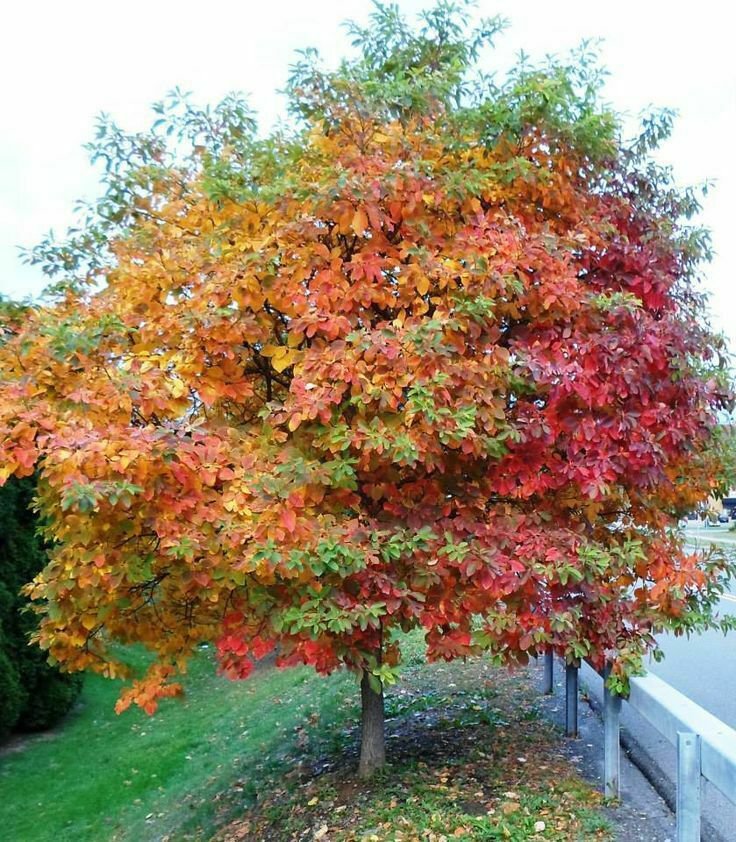
Seedlings Sassafras albidum 8 Sassafras Trees Live Plants Bareroot
Features:
Deciduous
Growth Stage:
Seedling
Color:
Green, Orange
Climate:
Humid Continental, Humid Subtropical, Temperate
Sunlight:
Full Sun, Low Sun, Medium Sun
MPN:
Does not apply
Genus:
Sassafras
Foliage:
Broadleaf
Indoor/Outdoor:
Outdoor
Common Name:
Sassafras
USDA ZONE 4-9
Sassafras is a genus of three extant and one extinct species of deciduous trees in the family Lauraceae, native to eastern North America and eastern Asia. The genus is distinguished by its aromatic properties, which have made the tree useful to humans.
Sassafras trees grow from 9–35 m (30–115 ft) tall with many slender sympodial branches, and smooth, orange-brown bark or yellow bark. All parts of the plants are fragrant. The species are unusual in having three distinct leaf patterns on the same plant: unlobed oval, bilobed (mitten-shaped), and trilobed (three-pronged); the leaves are hardly ever five-lobed. Three-lobed leaves are more common in Sassafras tzumu and Sassafras randaiense than in their North American counterparts, although three-lobed leaves do sometimes occur on Sassafras albidum. The young leaves and twigs are quite mucilaginous, and produce a citrus-like scent when crushed. The tiny, yellow flowers are generally six-petaled; Sassafras albidum and Sassafras hesperia are dioecious, with male and female flowers on separate trees, while Sassafras tzumu and Sassafras randaiense have male and female flowers occurring on the same trees. The fruit is a drupe, blue-black when ripe.
Deciduous
Growth Stage:
Seedling
Color:
Green, Orange
Climate:
Humid Continental, Humid Subtropical, Temperate
Sunlight:
Full Sun, Low Sun, Medium Sun
MPN:
Does not apply
Genus:
Sassafras
Foliage:
Broadleaf
Indoor/Outdoor:
Outdoor
Common Name:
Sassafras
USDA ZONE 4-9
Sassafras is a genus of three extant and one extinct species of deciduous trees in the family Lauraceae, native to eastern North America and eastern Asia. The genus is distinguished by its aromatic properties, which have made the tree useful to humans.
Sassafras trees grow from 9–35 m (30–115 ft) tall with many slender sympodial branches, and smooth, orange-brown bark or yellow bark. All parts of the plants are fragrant. The species are unusual in having three distinct leaf patterns on the same plant: unlobed oval, bilobed (mitten-shaped), and trilobed (three-pronged); the leaves are hardly ever five-lobed. Three-lobed leaves are more common in Sassafras tzumu and Sassafras randaiense than in their North American counterparts, although three-lobed leaves do sometimes occur on Sassafras albidum. The young leaves and twigs are quite mucilaginous, and produce a citrus-like scent when crushed. The tiny, yellow flowers are generally six-petaled; Sassafras albidum and Sassafras hesperia are dioecious, with male and female flowers on separate trees, while Sassafras tzumu and Sassafras randaiense have male and female flowers occurring on the same trees. The fruit is a drupe, blue-black when ripe.


 ID, DI Yogyakarta