
$153.82
Add to Cart
Agave lophantha 'Quadricolor' Cacti Flower House Rare Plant Exotic Plant For Your Garden
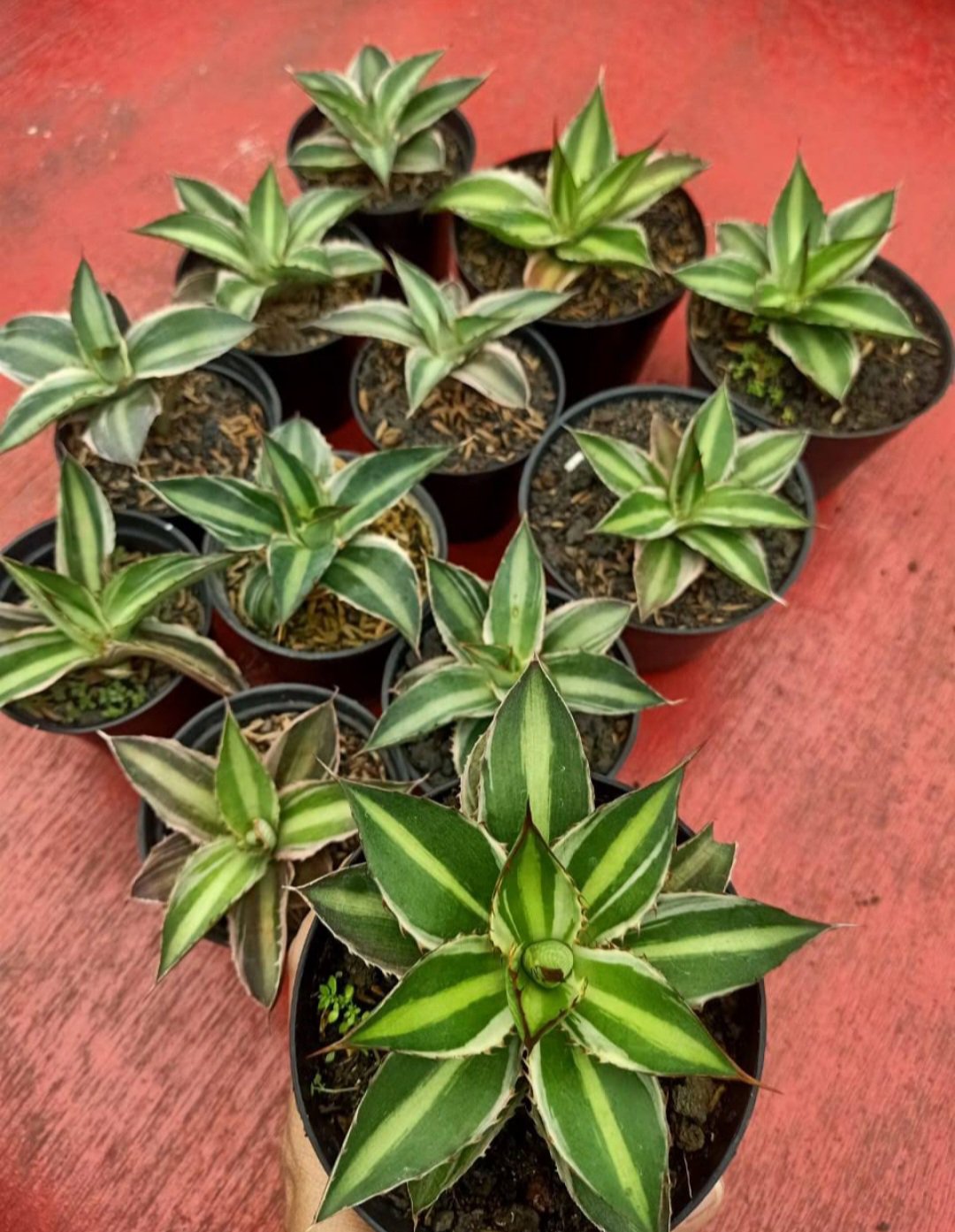
Agave lophantha 'Quadricolor' Cacti Flower House Rare Plant Exotic Plant For Your Garden
Agave plants are succulents native to arid regions, known for their striking rosette shape and sharp, pointed leaves. Here are some general care tips for agave plants:
Light: Agaves thrive in full sunlight. Place them in a sunny spot where they can receive at least 6-8 hours of direct sunlight daily. Indoors, choose a south-facing window where they can get plenty of sunlight.
Temperature: Agaves prefer warm temperatures and are not frost-tolerant. They thrive in temperatures between 65°F to 85°F (18°C to 29°C) but can tolerate higher temperatures as long as they have adequate moisture.
Watering: Agaves are drought-tolerant plants and are susceptible to root rot if overwatered. Water deeply but infrequently, allowing the soil to dry out completely between waterings. During the growing season (spring and summer), water sparingly, and reduce watering in the dormant season (fall and winter).
Soil: Plant agaves in well-draining soil to prevent waterlogging, which can lead to root rot. A cactus or succulent potting mix works well, or you can create your own mix by adding sand or perlite to regular potting soil.
Fertilization: Agaves are not heavy feeders and can thrive without regular fertilization. However, you can apply a balanced fertilizer diluted to half strength during the growing season to encourage growth. Fertilize sparingly, as excessive fertilization can lead to weak growth.
Pruning: Agaves typically do not require pruning except to remove dead or damaged leaves. Use caution when handling the leaves, as they can be sharp and have serrated edges.
Pests and diseases: Agaves are relatively pest-resistant but can occasionally be affected by mealybugs, scale insects, or aphids. Treat any infestations promptly with insecticidal soap or neem oil. Ensure good air circulation around the plant to prevent fungal diseases.
Container: If growing agaves in containers, choose a pot with drainage holes to prevent water from pooling at the roots. Repot your agave only when necessary, typically every 2-3 years, using fresh potting mix.
Propagation: Agaves can be propagated by offsets (also known as pups) that grow from the base of the plant. Wait until the offsets are several inches tall before carefully separating them from the mother plant and replanting them in their own pots.
Winter care: In regions with cold winters, protect outdoor agaves from frost by covering them with a frost cloth or bringing them indoors. Water sparingly during the winter months to prevent cold damage.
By following these care tips, you can enjoy healthy and thriving agave plants in your garden or home. They are low-maintenance plants that add architectural interest to any landscape or indoor space.
In the photo is not factual item...
The size live plant item depends on stock...
Thank you
Agave plants are succulents native to arid regions, known for their striking rosette shape and sharp, pointed leaves. Here are some general care tips for agave plants:
Light: Agaves thrive in full sunlight. Place them in a sunny spot where they can receive at least 6-8 hours of direct sunlight daily. Indoors, choose a south-facing window where they can get plenty of sunlight.
Temperature: Agaves prefer warm temperatures and are not frost-tolerant. They thrive in temperatures between 65°F to 85°F (18°C to 29°C) but can tolerate higher temperatures as long as they have adequate moisture.
Watering: Agaves are drought-tolerant plants and are susceptible to root rot if overwatered. Water deeply but infrequently, allowing the soil to dry out completely between waterings. During the growing season (spring and summer), water sparingly, and reduce watering in the dormant season (fall and winter).
Soil: Plant agaves in well-draining soil to prevent waterlogging, which can lead to root rot. A cactus or succulent potting mix works well, or you can create your own mix by adding sand or perlite to regular potting soil.
Fertilization: Agaves are not heavy feeders and can thrive without regular fertilization. However, you can apply a balanced fertilizer diluted to half strength during the growing season to encourage growth. Fertilize sparingly, as excessive fertilization can lead to weak growth.
Pruning: Agaves typically do not require pruning except to remove dead or damaged leaves. Use caution when handling the leaves, as they can be sharp and have serrated edges.
Pests and diseases: Agaves are relatively pest-resistant but can occasionally be affected by mealybugs, scale insects, or aphids. Treat any infestations promptly with insecticidal soap or neem oil. Ensure good air circulation around the plant to prevent fungal diseases.
Container: If growing agaves in containers, choose a pot with drainage holes to prevent water from pooling at the roots. Repot your agave only when necessary, typically every 2-3 years, using fresh potting mix.
Propagation: Agaves can be propagated by offsets (also known as pups) that grow from the base of the plant. Wait until the offsets are several inches tall before carefully separating them from the mother plant and replanting them in their own pots.
Winter care: In regions with cold winters, protect outdoor agaves from frost by covering them with a frost cloth or bringing them indoors. Water sparingly during the winter months to prevent cold damage.
By following these care tips, you can enjoy healthy and thriving agave plants in your garden or home. They are low-maintenance plants that add architectural interest to any landscape or indoor space.
In the photo is not factual item...
The size live plant item depends on stock...
Thank you


 ID, DI Yogyakarta