
$48.90
Add to Cart
Aloe Vera Plant Flower House Rare Plant Exotic Plant For Your Garden
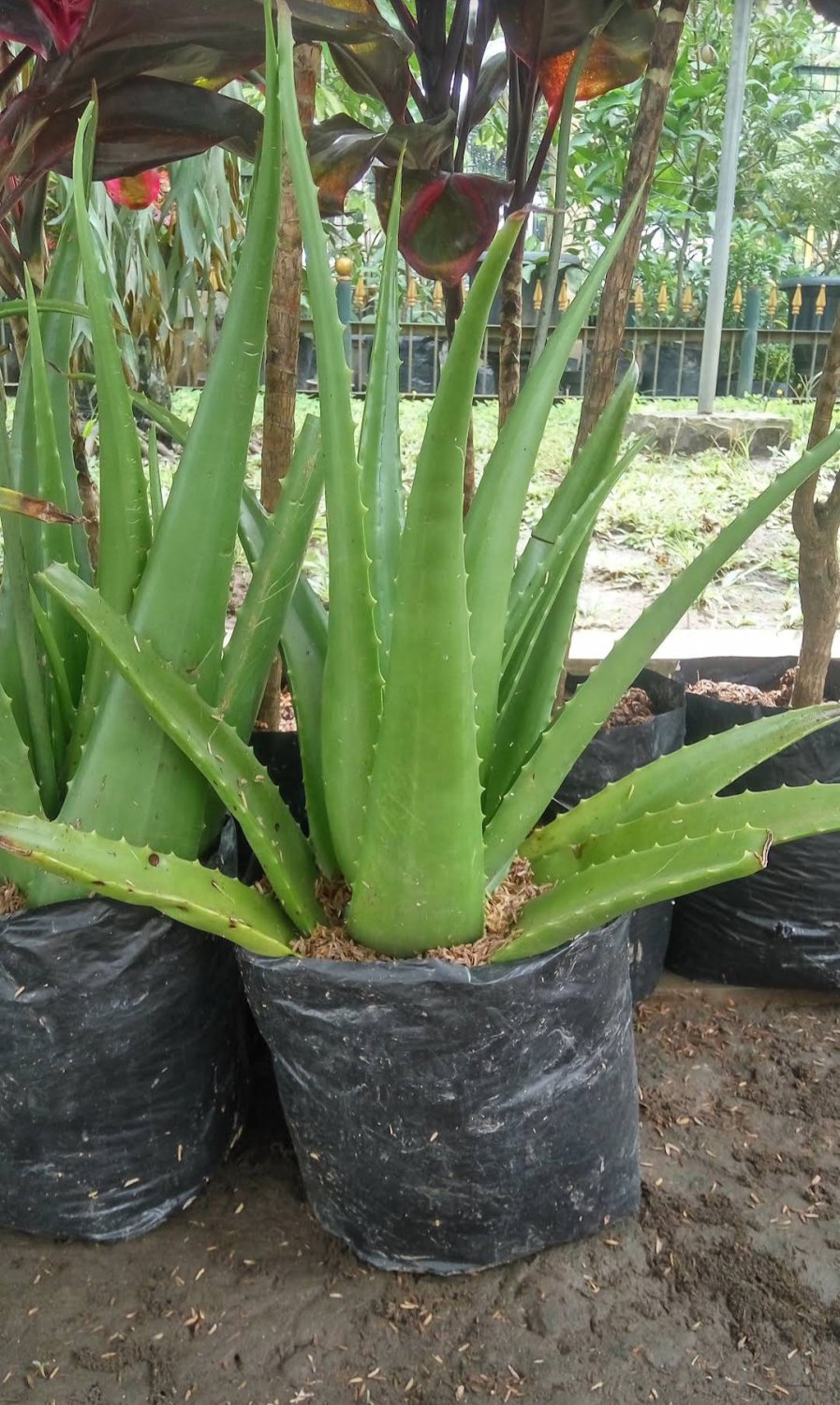


Aloe Vera Plant Flower House Rare Plant Exotic Plant For Your Garden
Aloe vera is a popular succulent known for its medicinal properties and easy care requirements. Here's a guide on how to care for Aloe vera:
Light: Aloe vera plants thrive in bright, indirect sunlight. Place them near a sunny window where they can receive plenty of light. While they can tolerate some direct sunlight, too much intense sunlight can cause the leaves to become scorched.
Temperature: Aloe vera prefers warm temperatures between 60°F to 80°F (15°C to 27°C). They are sensitive to cold temperatures, so protect them from drafts and frost. If you keep them outdoors, bring them inside before temperatures drop below 50°F (10°C).
Soil: Plant Aloe vera in well-draining soil specifically formulated for succulents or cacti. You can also mix regular potting soil with perlite or coarse sand to improve drainage. Ensure the pot has drainage holes to prevent waterlogging.
Watering: Aloe vera is drought-tolerant and is susceptible to root rot if overwatered. Water the plant deeply but infrequently, allowing the soil to dry out completely between waterings. Typically, you'll need to water your Aloe vera every 2-3 weeks during the growing season (spring and summer) and even less frequently in the winter.
Humidity: Aloe vera is adapted to arid conditions and does not require high humidity levels. Average indoor humidity is generally sufficient for its growth.
Fertilization: Aloe vera doesn't require frequent fertilization. You can feed it with a balanced liquid fertilizer diluted to half strength during the growing season (spring and summer) once every few months. Avoid fertilizing in the fall and winter when growth slows down.
Potting and Repotting: Aloe vera prefers to be slightly root-bound, so choose a pot that's only slightly larger than the root ball. Repotting is typically necessary every 2-3 years or when the plant becomes severely root-bound.
Pruning: Remove any dead or withered leaves by cutting them at the base of the plant. Regular pruning helps keep the plant tidy and encourages new growth.
Pests and Diseases: Aloe vera is relatively resistant to pests and diseases. However, overwatering can lead to root rot, while underwatering can cause the leaves to become thin and curled. Watch out for common succulent pests like mealybugs and scale insects, and treat infestations promptly.
Propagation: Aloe vera can be easily propagated by removing offsets (pups) that grow at the base of the plant. Allow the offsets to dry for a day or two before planting them in a well-draining potting mix.
By following these care tips, you can keep your Aloe vera plant healthy and thriving, ready to provide you with its soothing gel and attractive foliage.
In the photo is not factual item...
The size live plant item depends on stock...
Thank you
Aloe vera is a popular succulent known for its medicinal properties and easy care requirements. Here's a guide on how to care for Aloe vera:
Light: Aloe vera plants thrive in bright, indirect sunlight. Place them near a sunny window where they can receive plenty of light. While they can tolerate some direct sunlight, too much intense sunlight can cause the leaves to become scorched.
Temperature: Aloe vera prefers warm temperatures between 60°F to 80°F (15°C to 27°C). They are sensitive to cold temperatures, so protect them from drafts and frost. If you keep them outdoors, bring them inside before temperatures drop below 50°F (10°C).
Soil: Plant Aloe vera in well-draining soil specifically formulated for succulents or cacti. You can also mix regular potting soil with perlite or coarse sand to improve drainage. Ensure the pot has drainage holes to prevent waterlogging.
Watering: Aloe vera is drought-tolerant and is susceptible to root rot if overwatered. Water the plant deeply but infrequently, allowing the soil to dry out completely between waterings. Typically, you'll need to water your Aloe vera every 2-3 weeks during the growing season (spring and summer) and even less frequently in the winter.
Humidity: Aloe vera is adapted to arid conditions and does not require high humidity levels. Average indoor humidity is generally sufficient for its growth.
Fertilization: Aloe vera doesn't require frequent fertilization. You can feed it with a balanced liquid fertilizer diluted to half strength during the growing season (spring and summer) once every few months. Avoid fertilizing in the fall and winter when growth slows down.
Potting and Repotting: Aloe vera prefers to be slightly root-bound, so choose a pot that's only slightly larger than the root ball. Repotting is typically necessary every 2-3 years or when the plant becomes severely root-bound.
Pruning: Remove any dead or withered leaves by cutting them at the base of the plant. Regular pruning helps keep the plant tidy and encourages new growth.
Pests and Diseases: Aloe vera is relatively resistant to pests and diseases. However, overwatering can lead to root rot, while underwatering can cause the leaves to become thin and curled. Watch out for common succulent pests like mealybugs and scale insects, and treat infestations promptly.
Propagation: Aloe vera can be easily propagated by removing offsets (pups) that grow at the base of the plant. Allow the offsets to dry for a day or two before planting them in a well-draining potting mix.
By following these care tips, you can keep your Aloe vera plant healthy and thriving, ready to provide you with its soothing gel and attractive foliage.
In the photo is not factual item...
The size live plant item depends on stock...
Thank you


 ID, DI Yogyakarta