
$41.90
Add to Cart
Aloe squarrosa Cactus Flower Rare Plant Live Rare Plant Exotic For Your Garden
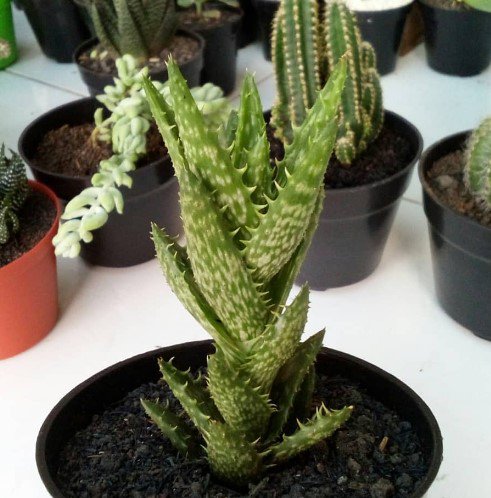
Aloe squarrosa Cactus Flower Rare Plant Live Rare Plant Exotic For Your Garden
**Aloe squarrosa** is an intriguing and distinctive species of Aloe known for its striking rosette formation and unusual leaf texture. Here’s a comprehensive guide to caring for this unique succulent:
### **Appearance**
- **Leaves**: *Aloe squarrosa* features thick, triangular leaves arranged in a rosette. The leaves are typically green with a bluish tint and have prominent, white, tooth-like serrations along the edges. The texture of the leaves is rough and somewhat warty, giving them a rugged appearance.
- **Growth**: It forms a rosette that can reach about 12-18 inches (30-45 cm) in diameter. The plant grows slowly and maintains a compact, dense shape.
### **Care**
- **Light**: *Aloe squarrosa* thrives in bright, indirect light. It can also tolerate some direct sunlight, which helps maintain its compact growth and vibrant color. For indoor plants, a south or west-facing window is ideal.
- **Water**: Water the plant sparingly. Allow the soil to dry out completely between waterings. Overwatering can lead to root rot, so make sure the pot has good drainage and avoid letting the plant sit in water. During the dormant period (fall and winter), reduce watering significantly.
- **Humidity**: This Aloe prefers low humidity and is well-suited to average indoor humidity levels. High humidity is not necessary and can increase the risk of fungal issues.
- **Temperature**: It does well in temperatures between 65-80°F (18-27°C). It can tolerate brief periods of cooler temperatures but should be protected from frost and freezing conditions. For outdoor cultivation, it is best suited to USDA hardiness zones 9-11.
### **Soil**
- **Soil**: Use a well-draining cactus or succulent mix. You can also create your own mix by combining standard potting soil with perlite, sand, or pumice to ensure good drainage. Proper drainage is crucial to prevent root rot.
### **Propagation**
- **Offsets**: *Aloe squarrosa* produces offsets or "pups" around the base of the plant. These can be separated and planted in new pots. Allow the cut end to callous over for a day or two before planting to prevent rot.
- **Seeds**: Propagation from seeds is also possible but less common. Sow seeds in a well-draining mix and keep them warm and moist until they germinate.
### **Maintenance**
- **Cleaning**: Wipe the leaves occasionally with a dry or slightly damp cloth to remove dust. Avoid using too much water on the leaves to prevent rot.
- **Pests**: The plant is relatively pest-resistant but can occasionally attract pests like mealybugs, spider mites, or scale. Inspect the plant regularly and treat any infestations with insecticidal soap or neem oil if needed.
### **Common Issues**
- **Yellowing Leaves**: Yellowing can indicate overwatering or poor drainage. Ensure that the soil dries out completely between waterings and check that the pot has adequate drainage.
- **Leggy Growth**: If the plant becomes leggy or elongated, it may not be receiving enough light. Increase light exposure to promote more compact growth.
### **Toxicity**
- **Toxicity**: *Aloe squarrosa* is not considered toxic to pets or humans. However, as with all succulents, it’s best to keep the plant out of reach of small children and pets to avoid any accidental ingestion or injury from the spines.
**Aloe squarrosa** is a fascinating and relatively low-maintenance plant that adds a touch of uniqueness to any succulent collection. With its distinctive leaf texture and manageable care requirements, it’s a great choice for both novice and experienced plant enthusiasts.
In the photo is not factual item...
The size live plant item depends on stock...
Thank you
**Aloe squarrosa** is an intriguing and distinctive species of Aloe known for its striking rosette formation and unusual leaf texture. Here’s a comprehensive guide to caring for this unique succulent:
### **Appearance**
- **Leaves**: *Aloe squarrosa* features thick, triangular leaves arranged in a rosette. The leaves are typically green with a bluish tint and have prominent, white, tooth-like serrations along the edges. The texture of the leaves is rough and somewhat warty, giving them a rugged appearance.
- **Growth**: It forms a rosette that can reach about 12-18 inches (30-45 cm) in diameter. The plant grows slowly and maintains a compact, dense shape.
### **Care**
- **Light**: *Aloe squarrosa* thrives in bright, indirect light. It can also tolerate some direct sunlight, which helps maintain its compact growth and vibrant color. For indoor plants, a south or west-facing window is ideal.
- **Water**: Water the plant sparingly. Allow the soil to dry out completely between waterings. Overwatering can lead to root rot, so make sure the pot has good drainage and avoid letting the plant sit in water. During the dormant period (fall and winter), reduce watering significantly.
- **Humidity**: This Aloe prefers low humidity and is well-suited to average indoor humidity levels. High humidity is not necessary and can increase the risk of fungal issues.
- **Temperature**: It does well in temperatures between 65-80°F (18-27°C). It can tolerate brief periods of cooler temperatures but should be protected from frost and freezing conditions. For outdoor cultivation, it is best suited to USDA hardiness zones 9-11.
### **Soil**
- **Soil**: Use a well-draining cactus or succulent mix. You can also create your own mix by combining standard potting soil with perlite, sand, or pumice to ensure good drainage. Proper drainage is crucial to prevent root rot.
### **Propagation**
- **Offsets**: *Aloe squarrosa* produces offsets or "pups" around the base of the plant. These can be separated and planted in new pots. Allow the cut end to callous over for a day or two before planting to prevent rot.
- **Seeds**: Propagation from seeds is also possible but less common. Sow seeds in a well-draining mix and keep them warm and moist until they germinate.
### **Maintenance**
- **Cleaning**: Wipe the leaves occasionally with a dry or slightly damp cloth to remove dust. Avoid using too much water on the leaves to prevent rot.
- **Pests**: The plant is relatively pest-resistant but can occasionally attract pests like mealybugs, spider mites, or scale. Inspect the plant regularly and treat any infestations with insecticidal soap or neem oil if needed.
### **Common Issues**
- **Yellowing Leaves**: Yellowing can indicate overwatering or poor drainage. Ensure that the soil dries out completely between waterings and check that the pot has adequate drainage.
- **Leggy Growth**: If the plant becomes leggy or elongated, it may not be receiving enough light. Increase light exposure to promote more compact growth.
### **Toxicity**
- **Toxicity**: *Aloe squarrosa* is not considered toxic to pets or humans. However, as with all succulents, it’s best to keep the plant out of reach of small children and pets to avoid any accidental ingestion or injury from the spines.
**Aloe squarrosa** is a fascinating and relatively low-maintenance plant that adds a touch of uniqueness to any succulent collection. With its distinctive leaf texture and manageable care requirements, it’s a great choice for both novice and experienced plant enthusiasts.
In the photo is not factual item...
The size live plant item depends on stock...
Thank you


 ID, DI Yogyakarta