
$111.46
Add to Cart
Trinette Schefflera Flower Rare Plant Live Rare Plant Exotic For Your Garden
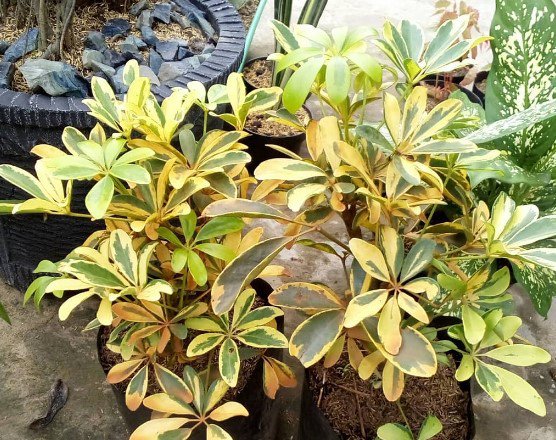
Trinette Schefflera Flower Rare Plant Live Rare Plant Exotic For Your Garden
**Schefflera arboricola 'Trinette'**, commonly known as **Trinette Schefflera** or **Variegated Dwarf Umbrella Tree**, is a popular houseplant valued for its attractive, variegated foliage. Here’s a comprehensive guide to caring for this stylish and resilient plant:
### **Appearance**
- **Leaves**: The 'Trinette' cultivar features glossy, green leaves with creamy or yellowish-white variegation. The leaves are typically oval and arranged in a distinctive umbrella-like formation at the tips of the stems.
- **Growth**: This Schefflera grows as a compact shrub, reaching up to 3-4 feet (90-120 cm) in height when grown indoors. It has a bushy growth habit with a dense canopy of leaves, making it an attractive addition to any space.
### **Care**
- **Light**: Schefflera 'Trinette' thrives in bright, indirect light. It can tolerate lower light conditions but may lose some of its variegation and become leggy. For optimal growth and color, place it near a bright, east or west-facing window with filtered light.
- **Water**: Water the plant when the top 1-2 inches of soil are dry. Schefflera prefers to dry out slightly between waterings. Overwatering can lead to root rot, so ensure the pot has good drainage. Reduce watering frequency during the winter when the plant’s growth slows down.
- **Humidity**: This plant is adaptable to average indoor humidity levels but benefits from higher humidity. Regular misting or using a humidity tray can help, especially in dry indoor environments.
- **Temperature**: It prefers temperatures between 60-75°F (15-24°C). Avoid exposing it to temperatures below 50°F (10°C) and protect it from cold drafts.
### **Soil**
- **Soil**: Use a well-draining potting mix. A standard houseplant mix can work well, but adding perlite or sand can improve drainage. The soil should remain consistently moist but not soggy.
### **Propagation**
- **Cuttings**: The most common method of propagation is through stem cuttings. Take a cutting with several leaves and a node, and allow the cut end to callous over for a day or two before planting in well-draining soil. Keep the cutting warm and humid until roots develop.
- **Air Layering**: Another method is air layering, where you make a small incision in the stem and wrap it with moist sphagnum moss, covering it with plastic. Once roots form, you can cut and pot the new plant.
### **Maintenance**
- **Pruning**: Regular pruning helps maintain the plant’s shape and encourages bushier growth. Trim back any leggy or overgrown stems to promote a fuller appearance.
- **Cleaning**: Wipe the leaves occasionally with a damp cloth to remove dust and keep the plant looking its best. Avoid excessive moisture on the foliage to prevent fungal issues.
### **Pests and Problems**
- **Pests**: The plant is generally pest-resistant but can occasionally attract mealybugs, spider mites, or scale. Inspect the plant regularly and treat any infestations with insecticidal soap or neem oil.
- **Common Issues**:
- **Leaf Drop**: Yellowing or dropping leaves can indicate overwatering, underwatering, or sudden temperature changes. Adjust watering practices and ensure the plant is in a stable environment.
- **Leggy Growth**: If the plant becomes leggy, it may need more light. Increase light exposure to encourage more compact growth.
### **Toxicity**
- **Toxicity**: Schefflera 'Trinette' is mildly toxic if ingested, containing compounds that can cause gastrointestinal upset in pets and humans. Keep the plant out of reach of pets and small children to prevent accidental ingestion.
**Schefflera arboricola 'Trinette'** is a versatile and visually appealing plant that adds a touch of elegance to indoor spaces. With its attractive variegated leaves and relatively simple care requirements, it’s a great choice for both novice and experienced plant enthusiasts.
In the photo is not factual item...
The size live plant item depends on stock...
Thank you
**Schefflera arboricola 'Trinette'**, commonly known as **Trinette Schefflera** or **Variegated Dwarf Umbrella Tree**, is a popular houseplant valued for its attractive, variegated foliage. Here’s a comprehensive guide to caring for this stylish and resilient plant:
### **Appearance**
- **Leaves**: The 'Trinette' cultivar features glossy, green leaves with creamy or yellowish-white variegation. The leaves are typically oval and arranged in a distinctive umbrella-like formation at the tips of the stems.
- **Growth**: This Schefflera grows as a compact shrub, reaching up to 3-4 feet (90-120 cm) in height when grown indoors. It has a bushy growth habit with a dense canopy of leaves, making it an attractive addition to any space.
### **Care**
- **Light**: Schefflera 'Trinette' thrives in bright, indirect light. It can tolerate lower light conditions but may lose some of its variegation and become leggy. For optimal growth and color, place it near a bright, east or west-facing window with filtered light.
- **Water**: Water the plant when the top 1-2 inches of soil are dry. Schefflera prefers to dry out slightly between waterings. Overwatering can lead to root rot, so ensure the pot has good drainage. Reduce watering frequency during the winter when the plant’s growth slows down.
- **Humidity**: This plant is adaptable to average indoor humidity levels but benefits from higher humidity. Regular misting or using a humidity tray can help, especially in dry indoor environments.
- **Temperature**: It prefers temperatures between 60-75°F (15-24°C). Avoid exposing it to temperatures below 50°F (10°C) and protect it from cold drafts.
### **Soil**
- **Soil**: Use a well-draining potting mix. A standard houseplant mix can work well, but adding perlite or sand can improve drainage. The soil should remain consistently moist but not soggy.
### **Propagation**
- **Cuttings**: The most common method of propagation is through stem cuttings. Take a cutting with several leaves and a node, and allow the cut end to callous over for a day or two before planting in well-draining soil. Keep the cutting warm and humid until roots develop.
- **Air Layering**: Another method is air layering, where you make a small incision in the stem and wrap it with moist sphagnum moss, covering it with plastic. Once roots form, you can cut and pot the new plant.
### **Maintenance**
- **Pruning**: Regular pruning helps maintain the plant’s shape and encourages bushier growth. Trim back any leggy or overgrown stems to promote a fuller appearance.
- **Cleaning**: Wipe the leaves occasionally with a damp cloth to remove dust and keep the plant looking its best. Avoid excessive moisture on the foliage to prevent fungal issues.
### **Pests and Problems**
- **Pests**: The plant is generally pest-resistant but can occasionally attract mealybugs, spider mites, or scale. Inspect the plant regularly and treat any infestations with insecticidal soap or neem oil.
- **Common Issues**:
- **Leaf Drop**: Yellowing or dropping leaves can indicate overwatering, underwatering, or sudden temperature changes. Adjust watering practices and ensure the plant is in a stable environment.
- **Leggy Growth**: If the plant becomes leggy, it may need more light. Increase light exposure to encourage more compact growth.
### **Toxicity**
- **Toxicity**: Schefflera 'Trinette' is mildly toxic if ingested, containing compounds that can cause gastrointestinal upset in pets and humans. Keep the plant out of reach of pets and small children to prevent accidental ingestion.
**Schefflera arboricola 'Trinette'** is a versatile and visually appealing plant that adds a touch of elegance to indoor spaces. With its attractive variegated leaves and relatively simple care requirements, it’s a great choice for both novice and experienced plant enthusiasts.
In the photo is not factual item...
The size live plant item depends on stock...
Thank you


 ID, DI Yogyakarta